

What Does a Film Producer Do?

- What is a Producer in the Film Industry?

- A Producer's Responsibilities During the Filmmaking Process
- Different Types of Producers
- How Do I Become a Producer?
- Five Famous Film Producers
A film's inception to completion is spearheaded by the film producer. They handle planning, coordination, casting, directing, editing, finances, marketing, and distribution.
Whether affiliated with a production company or working independently, film producers oversee the film production process. Hollywood producers may be involved from the start of a project through accolades at the Oscars. In this post, we'll answer the question of what does a producer do in film production, discuss various types of film producers, offer insights on becoming one, and mention a few renowned ones.
Storyboard software for video agencies & brand teams
One workspace for storyboards, animatics, comments, and approvals. Spend time on the creative, not the back-and-forth.

What is a Producer in the Film Industry?
The title "producer" suggests leadership, but the various producer roles—such as executive producer, co-producer, and associate producer—can be confusing to those unfamiliar with the film industry, leading to misconceptions about their responsibilities.
Producers tend to be jack-of-all-trade types, with no clear distinction between titles
Producers are versatile, often blurring the lines between different titles. At their core, they're problem-solvers overseeing film production, be it a movie, TV show, online series, or commercial. While involved in creative decisions, they aren't part of the primary creative or film crew. Instead, they ensure resources, logistics, and infrastructure are in place for everyone else. They're central to idea development, scriptwriting, funding, talent acquisition, contract negotiations, and scheduling.
Though the title "executive producer" sounds authoritative, their daily tasks aren't as glamorous. They might not receive the same spotlight as famous directors or actors, but the industry internally respects producers. These professionals are the backbone of a film, turning chaotic ideas into structured, efficient, and polished productions. They bridge the gap between artistic visions and practical execution. Production companies rely heavily on producers to manage the complex process of bringing a script to screen, ensuring that every aspect of the production runs smoothly and stays within budget.
A Producer's Responsibilities During the Filmmaking Process
Producers play a multifaceted role in a project, bringing vision, leadership, and control. Their duties evolve across different phases:
Development
- Develop and maintain key industry contacts
- Handle source material
- Assemble the creative team and director
- Secure funding
- Transition from idea to film
As the project moves from idea to film or show, the producer keeps everyone aligned and often mediates between departments at odds with each other.
A skilled producer is often active in multiple projects' development since it's the longest phase. They conceptualize or pick a script, gather rights, form a team, manage finances, and supervise the process. Hiring a director might further refine the script. To attract financiers, the producer ropes in high-profile personnel and celebrities. Producers also maintain networks with industry professionals to stay updated and find the next project.
Pre-production
- Enlist the creative team
- Principal casting
- Create a pitch package
- Define the creative brief
- Production planning
During pre-production, the producer expands the creative team, incorporating artists like cinematographers, designers, animators and musicians. They oversee contract negotiations and assemble a pitch package for investors. They also define the creative brief, documenting the project's objectives, audience, and deliverables for the entire team. Organizing effectively during pre-production ensures optimal use of resources later.
Production
- Manage day to day operations
- Support the director, creative and production teams
- Oversee business and finance decisions
- Authorize modifications and solve issues
Though a well-prepared producer sets up a clear schedule and budget, their presence is essential for guidance and decision-making throughout the production phase. They mainly deal with business, financial, and logistical matters while facilitating the creative process.
Post-production
- Oversee editing, effects, and soundtrack
- Obtain extra funding
- Handle marketing and publicity
The post-production phase involves collaborating with the director and post-production team on editing, visual effects, and soundtrack creation. Producers might seek more funds if necessary and prepare the film for release, including organizing preview screenings and media promotions.
Release
- Market the finished film
- Plan cast appearances and festival entries
- Distribute both nationally and internationally
- Design a release calendar
Even after a film is complete, a film producer remains active. Their focus shifts to selling and marketing the final product, coordinating its distribution, and ensuring stakeholders see returns on their investments.
Different Types of Producers
If you look closely at film credits or a movie poster, you'll notice more than one producer credit. Whether it's a major studio production in L.A. or a TV sitcom in New York, there are many different types of producers that exist.
Executive Producer
Think of the executive producer as the head producer or the guiding force behind other producers, playing a pivotal role in various projects ranging from TV shows to indie films or grand studio productions. Their primary responsibility is to ensure that the project comes together on time, within the set budget, and meets the defined specifications or standards.
The executive producer's role may include securing rights, raising funds, or even directly financing the film project. In smaller film production setups, executive producers might wear multiple hats throughout the production process – they could be the creator, author, or possessor of the foundational material. While they may influence significant creative decisions, their involvement typically spans a broader spectrum, possibly overseeing multiple productions at once.
Executive producer job description:
- Guide and oversee fellow producers
- Synchronize the vision and objectives of the project
- Direct talent acquisition
- Monitor budget, timelines, and quality standards.
Line Producer
Imagine a boundary that distinguishes the top-tier, above-the-line management of a production from the tangible, below-the-line operations. The realm of the line producer lies within this below-the-line territory, holding a key managerial role focused on the physical facets, which includes formulating a budget and diligently monitoring expenditures.
In more compact productions, their tasks might merge with those of a general producer. However, in more extensive setups, there's often the inclusion of a unit production manager (UPM) tasked with overseeing all tangible facets of the production process. The main difference between a line producer and UPM is that while the former may have a say in creative decisions, the UPM is strictly logistical, executing directives relayed by the line producer.
Line producer job description:
- Support the EP
- Oversee the UPM and the tangible aspects of production
- Handle the formulation and monitoring of budget and timelines
- Collaborate with the EP in talent recruitment.
Supervising Producer
Sometimes referred to as a development producer, this role primarily oversees the creative evolution of a project. The supervising producer plays a crucial role in transforming an initial concept into a spec script and refining that screenplay into a workable shooting script.
While these duties can sometimes be undertaken by the executive producer, the supervising producer often aids the EP, either by leading the screenplay's creative development or by overseeing other producers in the project.
Supervising producer job description:
- Guide the journey from initial concept to screenplay and final script
- Oversee the creative progression
- Support the executive producer
- Manage and guide other producers.
Producer
A producer broadly refers to an individual responsible for orchestrating the entire production process, be it in films, television, or other commercial ventures. The producer's job encompass organizing, managing, and directing every phase and facet—spanning talent acquisition, creative team collaboration, meeting deadlines, liaising with executives, and handling finances.
In the world of television, the role of a producer can vary. A TV producer might wear the hat of a writer or even assume the primary role as the chief writer in the guise of an executive producer. "Showrunner" is another title often given to TV producers, encapsulating the multifaceted roles of director, producer, and writer.
Television producer job description:
- Overseeing concept ideation, scripting, and ensuring final quality
- Fundraising and budget management
- Talent scouting and making casting choices
- Leading and directing crew members and associated producers.
Co-producer
A co-producer works alongside another producer or a team of producers, often to alleviate the responsibilities shouldered by the EP. The title "co-producer" might also signify an individual who has played a pivotal role in either financing or bringing the project to fruition.
Collaborating closely with other producers, co-producers help guide every phase from inception to the end of production. Typically positioned "above the line," co-producers usually don't partake in the hands-on aspects of the production process (refer to the role of a line producer), while the film crew functions "below the line."
Co-producer job description:
- Support the executive producer
- Supervise various phases of the project
- Oversee production activities or collaborate with other producers
- Contribute significantly to the project, whether through funding, partnerships, equipment, services, or other valuable assets.
Coordinating Producer
Similar to a "manager of managers," the coordinating producer's primary role is to synchronize the efforts of multiple individual producers who might be working independently on a film project. They maintain a laser focus on the ultimate objective, ensuring that all participants move cohesively towards a common goal.
Coordinating producer job description:
- Align the efforts of various producers
- Support all producers or production groups
- Oversee the production workflow
- Guarantee a harmonized outcome for the production.
Associate Producer
Often referred to as AP, an associate producer is typically seen as a supporting role to the executive producer or other primary producers - an assistant producer of sorts. Their responsibilities tend to fall "below the line," meaning they're intimately involved in the hands-on elements of production, including tasks like managing staff, coordinating location scouts, overseeing set construction, or guiding script development.
The title of associate producer might also be given in recognition of a significant contribution to the production. The precise scope and daily duties of an AP can vary and are often subject to agreement.
Associate producer job description:
- Engage in hands-on, below-the-line production activities
- In television, the AP may help with shot choices, readying the shooting script, and steering the content
- Play a contributory role in the production
- Undertake a range of tasks as required.
Consulting Producer
As the title suggests, a consulting producer lends their expertise to a production, bringing valuable experience to the table. In television, consulting producers might have previously served as co-producers or executives and now support TV producers and writers based on their historical roles and insights.
The role of a consulting producer can sometimes mirror that of a seasoned writer, given that they often influence the shooting script or live TV segments by providing lines for the host and shaping various segments. They play a key role in quality assurance, ensuring alignment and maintaining consistency throughout the project.
Consulting producer job description:
- Offer insights and guidance based on past experience
- Influence writing and the development of shooting scripts
- Provide support in TV production processes
- Uphold the desired ambiance and essence of a TV show or production.
Segment Producer
Segment producers are commonly found in the television industry, especially on programs like reality shows, talk shows, or late-night broadcasts that feature multiple, recurring segments. They are responsible for managing the production of one or several individual sections of the show.
Segment producer job description:
- Manage the production of specific segments within a broader program
- Collaborate with or guide other producers as needed
- Uphold standards of quality and ensure consistency across segments
- Guarantee seamless integration of segments into the overall production.
Field Producer
The term "field producer" is quite descriptive of the role itself: these producers operate outside the confines of a studio or soundstage, managing production directly at on-location sites. Their responsibilities can range from overseeing outdoor scenes for movies to handling specific segments for television broadcasts.
Field producer job description:
- Manage on-location production activities
- Support the executive producer while on site
- Direct segments shot outside the traditional studio environment
- Ensure top-notch quality in field productions.
Storyboard software for video agencies & brand teams
One workspace for storyboards, animatics, comments, and approvals. Spend time on the creative, not the back-and-forth.
How Do I Become a Producer?
A producer is akin to a jack-of-all-trades in the world of production. The journey to becoming a producer can begin from various roles such as a script reader, production assistant, or even as an intern. Understanding every facet of the production journey, from pre-production to post production, is crucial, making any role that provides this insight invaluable. It's not uncommon for aspiring producers to commence their careers in assistant roles within production companies, agencies, or management firms.
Alternatively, if you're an innovator with a unique idea or have access to compelling source material, you can pave your way as a producer by gathering the right talent and creatives around your project.
At their core, successful film producers embody the spirit of entrepreneurialism, characterized by drive, passion, and self-belief. They're bold, proactive, and naturally lean towards extroversion, infusing positivity wherever they go. Being adept at leading, inspiring, and influencing others is paramount. A flair for artistry, creativity, and expression amplifies their prowess.
Becoming a producer does come with its challenges. Be prepared for high stress, varied durations of projects, extended work hours, periods of independent consultancy, and responsibilities that might take you out of your comfort zone.
Essential skills for a producer
- Leadership abilities, coupled with managerial and organizational expertise
- Proficiency in presenting, persuading, and negotiating
- Acumen in financial management and budgeting
- A strong creative vision and artistic inclination
- Skills in mediation and motivation.
Producers Guild of America
Membership in the Producers Guild is not a prerequisite to become a producer or to be employed as one. The PGA isn't a union but rather a professional organization dedicated to "representing, safeguarding, and advancing the interests of the entire producing community." They offer a range of services including health benefits, adherence to labor regulations, sustainable practices, fair industry standards, and avenues for both budding and seasoned producers.
Five Famous Film Producers
Spike Lee

Shelton Jackson "Spike" Lee (born March 20, 1957) is an award-winning film director, film producer, screenwriter, and actor. After his 1986 directorial debut, Lee founded his own film production company, 40 Acres and a Mule Filmworks. His work continues to explore political issues, race relations, and urban life.
Five Famous Films as a Producer:
- She's Gotta Have It (1986)
- Do The Right Thing (1989)
- Malcom X (1992)
- Bamboozled (2000)
- BlacKkKlansman (2018)
Steven Spielberg
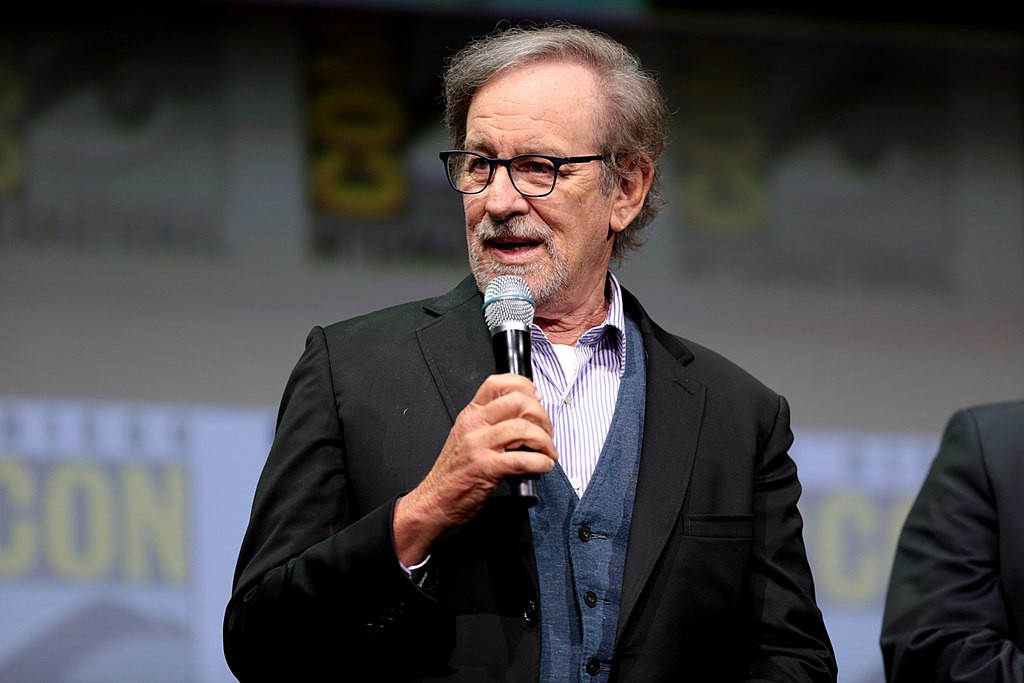
Born on December 18, 1946, Steven Allan Spielberg is undeniably one of the most celebrated directors in cinematic history. In addition to directing, he's a prolific film producer and screenwriter. He catapulted to fame with the 1975 mega-hit, Jaws. A hallmark figure of the New Hollywood era, Spielberg emphasizes the director's central role in the filmmaking process. His portfolio includes both blockbuster hits and profound narratives, earning him accolades and substantial box office success.
Five Famous Films as a Producer:
- Indiana Jones franchise
- E.T. the Extra-Terrestrial (1982)
- The Color Purple (1985)
- Schindler's List (1993)
- Saving Private Ryan (1998)
Kathleen Kennedy

Kathleen Kennedy (born June 5, 1953) stands as a prominent film producer and is the co-founder of production company, Amblin Entertainment. Since 2012, she has helmed Lucasfilm as its president. Having worked extensively alongside Steven Spielberg, her producing journey traces back to the iconic film, E.T. The Extra-Terrestrial. With a hand in over 60 films, Kennedy's illustrious career boasts several Academy Award nominations and a contribution to three of cinema's top-earning films.
Five Famous Films as a Producer:
- Jurassic Park (1993)
- Back To The Future trilogy
- The Curious Case Of Benjamin Button (2008)
- Lincoln (2012)
- The Rise Of Skywalker (2019) and other titles of the Star Wars franchise
Quentin Tarantino

Quentin Jerome Tarantino (born March 27, 1963) is a multifaceted talent, donning the roles of director, film producer, screenwriter, and occasionally stepping in front of the camera in his own films. His creations have carved a niche in pop culture, drawing both box office success and devoted fan bases. Beginning his independent filmmaking journey with titles like Reservoir Dogs and True Romance, it was Pulp Fiction that solidified his unique style characterized by non-linear narratives, sharp dialogue, and ensemble casts. Films like Inglourious Basterds and Django Unchained further underscore his critical acclaim.
Five Famous Films as a Producer:
- Killing Zoe (1993)
- Four Rooms (1995)
- From Dusk Till Dawn (1996)
- Grindhouse (2007)
- Once Upon A Time... In Hollywood (2019)
James Cameron
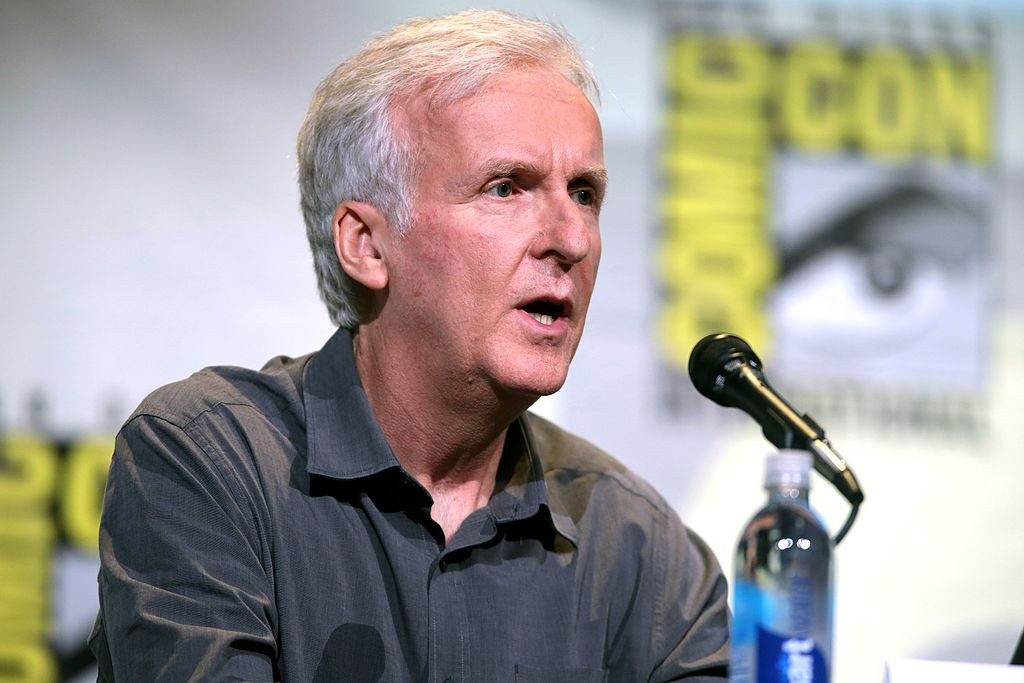
Born on August 16, 1954, James Francis Cameron is celebrated for his contributions to science fiction and epic Hollywood tales. His early successes include films like Terminator, Aliens, The Abyss, and True Lies. While Cameron is synonymous with lavish productions, Oscar accolades, and box office triumphs, he also harbors a deep passion for marine exploration and environmental advocacy.
Five Famous Films as a Producer:
- Point Break (1991)
- Terminator 2: Judgement Day (1991) and other titles of the franchise
- Titanic (1997)
- Avatar (2009)
- Alita: Battle Angel (2019)
Jack of all trades
Producers play a crucial role in the intricate world of filmmaking. From the conception of an idea to its final manifestation on screen, they are the driving force that ensures the seamless orchestration of every element involved. Producers are the heart and backbone of a film, ensuring that every vision becomes a tangible reality for audiences worldwide.
Storyboard software for video agencies & brand teams
One workspace for storyboards, animatics, comments, and approvals. Spend time on the creative, not the back-and-forth.
Sharper preproduction, less back-and-forth
Workflow tips and Boords product updates for video and brand teams, twice a week.
More from the blog

Storyboard software for video agencies & brand teams
One workspace for storyboards, animatics, comments, and approvals.
Spend time on the creative, not the back-and-forth.


Storyboard Activity

Sarah changed the status of Explainer Video v3 to Approved
8 JulSarah viewed Explainer Video v3
8 Jul
Tom shared Explainer Video v3 with sarah@beacon.co, dev@beacon.co
7 JulTom changed the status of Explainer Video v3 to Review Needed
7 JulTom created Explainer Video v3, a new version of Explainer Video v2
7 Jul
Amara marked a comment on Explainer Video v2 as complete
7 Jul
Dev commented on Explainer Video v2 - Frame 4
6 JulStoryboard Activity
Sarah changed the status of Explainer Video v3 to Approved
8 JulSarah viewed Explainer Video v3
8 JulTom shared Explainer Video v3 with sarah@beacon.co, dev@beacon.co
7 JulTom changed the status of Explainer Video v3 to Review Needed
7 JulTom created Explainer Video v3, a new version of Explainer Video v2
7 JulAmara marked a comment on Explainer Video v2 as complete
7 JulDev commented on Explainer Video v2 - Frame 4
6 Jul